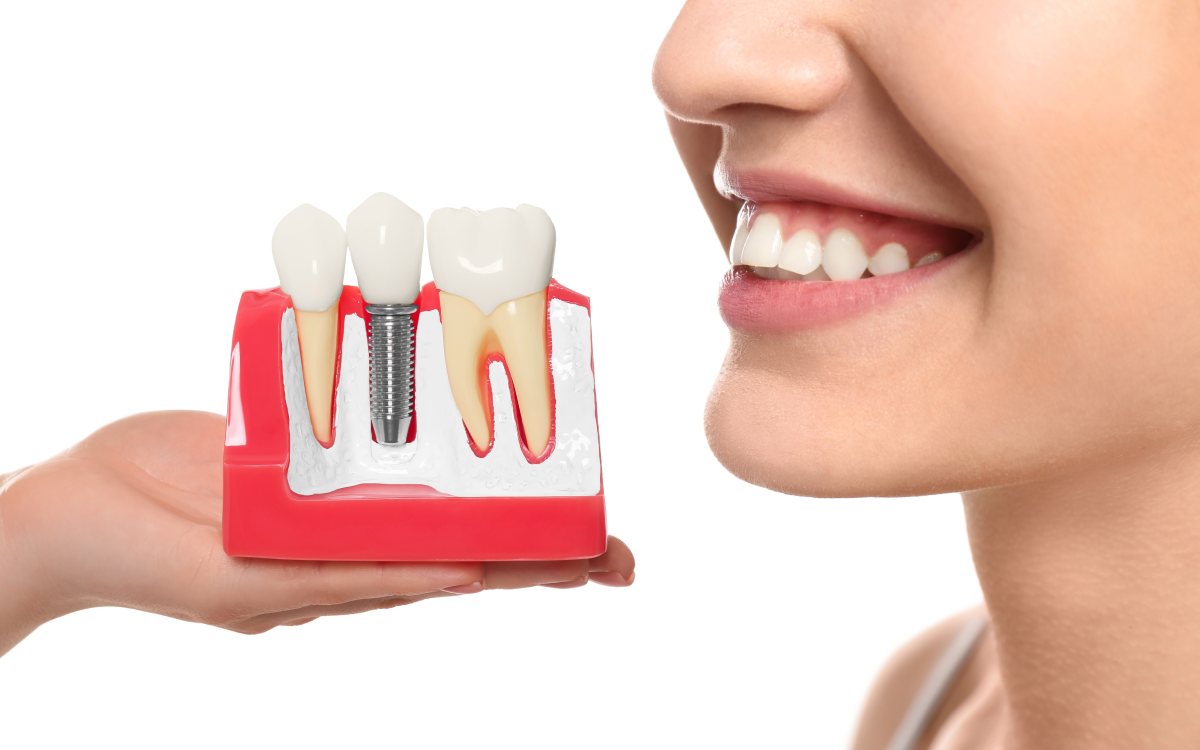
Ways to find affordable dental implants

Ways to find affordable dental implants

Dental implants are often out of reach for many people due to the high cost of the procedure. Besides, a lack of dental insurance and limited income can prevent people from seeking necessary professional help for several serious dental issues. Fortunately, several organizations and medical programs help low-income individuals get access to prompt dental care. In some cases, these programs offer procedures like implants at no cost, while in others, they provide affordable options. Ways to find free or low-cost dental implants Enquire with dentists Many dental clinics and offices provide dental membership savings plans. For specific services such as cleanings and exams, these plans charge clients a fixed annual fee. At the same time, other services may be offered at reduced prices. To give back to the community, several dentists also offer free or low-cost care on certain days. Check the health insurance marketplace The Health Insurance Marketplace is a service run by the federal government that helps people, families, and small businesses. Established by the Affordable Care Act, this insurance marketplace lets individuals and families shop for dental benefit plans. Participating insurers offer dental coverage for children under 18. Many states also have similar plans for adults. However, these plans vary in cost and coverage, and open enrollment periods determine when people can sign up.
Read More

Fatty liver disease – Causes, symptoms, and management

Fatty liver disease – Causes, symptoms, and management

Fatty liver disease is one of those conditions that often goes unnoticed until it starts affecting everyday health. Many may have it without realizing something is wrong, which is why awareness about this condition is important. Knowing the causes and symptoms of fatty liver disease can help individuals understand how to manage it.  Symptoms of fatty liver In most cases, fatty liver disease does not show any symptoms in the early stages. So, individuals may not notice clear warning signs at all. Symptoms often start to appear when excess fat accumulates in the liver and begins to interfere with its normal function.  Pain in the abdomen One of the earliest warning signs of fatty liver is pain in the upper right abdomen, where the liver is located. This pain may come and go and is often due to liver inflammation. Discomfort in the abdomen Along with pain, individuals might also experience a feeling of fullness in the upper right abdomen. Fatigue Fatty liver disease can disrupt the liver’s ability to support metabolism and produce energy. This can leave the individual feeling drained, leading to persistent fatigue. Swelling in the legs and ankles As fatty liver disease progresses, fluid retention may occur, leading to swelling in the legs, especially in the ankles.
Read More
7 creatine-rich foods to improve muscle health

7 creatine-rich foods to improve muscle health

Keeping muscles strong is one of the best ways for individuals to stay active and independent as they age. Eating the right food plays a major role in that process. Creatine-rich foods, in particular, can help older adults fight age-related muscle loss, also known as sarcopenia. These foods also help support muscle energy, recovery, and function. There are various food options, and a nutritionist can help individuals determine which ones to include in their meal plan. Pork This red meat is a strong source of creatine, offering about 0.4 grams per 3 ounces. Grilling and pan-searing are the best ways to enjoy its creatine benefits. These processes use high heat, helping cook the meat quickly. This way, creatine is exposed to higher temperatures only for a short period of time, thus reducing the breakdown of the nutrient. However, avoid overcooking or charring the meat, as this can increase creatine loss. Tuna Fresh or canned tuna is an easy source of creatine and protein. The food supports muscle function in older adults and helps them maintain mobility. About four ounces of tuna includes about 0.4 grams of creatine. Those who are not fans of fresh fish can meal-prep a batch of tuna salad using canned tuna.
Read More
Fatigue – Causes and management

Fatigue – Causes and management

Fatigue, or extreme tiredness, can result from various factors, including certain health conditions and lifestyle choices. Some of its common symptoms include breathlessness, dehydration, excessive sweating, and, in extreme cases, lightheadedness. Fatigue can be addressed by making lifestyle changes, such as working out regularly and maintaining a consistent sleep schedule, as well as using certain home remedies. If these solutions do not work, one should consult a healthcare professional to learn about the next course of action. Causes of fatigue explained Sleep deprivation When one sleeps, their brain releases growth hormones that promote cell repair. This release of hormones happens especially during uninterrupted sleep. When sleep is disturbed or insufficient, the brain does not release growth hormones, which affects the cell repair process. As a result, the body has difficulty fully recovering and recharging from the previous day’s exertion. This is why inadequate or interrupted sleep leaves one feeling tired upon waking. Stress In the long term, stress can lead to inflammation, fatigue, and stress-related exhaustion disorder (ED). Episodes of anger, work pressure, familial issues, infighting, poor performance on school or college tests, and outstanding debts are among the causes of stress. Certain foods Unhealthy food habits can also lead to fatigue.
Read More
6 reasons why regular health checkups are important

6 reasons why regular health checkups are important

People generally go for a health checkup only when they suspect something is amiss with their health or when a doctor recommends one. They believe that if they feel fine, they are healthy and do not need a screening. However, health checkups need to be viewed differently, not just as a last-minute measure when ill. Done regularly, health checkups can be life-saving. They can help detect and prevent severe conditions and keep individuals attuned to their body’s functioning. Detects serious conditions early Many health conditions have no symptoms until they progress to an advanced stage, so individuals may not even know they are ill. This is true even in the case of certain severe conditions, such as cancer, fatty liver disease, and heart disease. For this very reason, hypertension is called a “silent killer.”  Here’s where preventive health screenings can benefit individuals. These screenings can detect silent conditions before they progress to an advanced stage or pose a big risk. Often, early detection also improves the chances of successful treatment. Spots hereditary disorders Regular health screenings are especially important for individuals at risk of genetic or hereditary conditions, such as diabetes, cancer, and Down syndrome. Individuals are at a higher risk of developing these conditions if someone in their family has them.
Read More
6 tips to manage frequent urination at night

6 tips to manage frequent urination at night

Nocturia makes individuals wake up multiple times during the night to urinate. The condition can occur because of several reasons, such as kidney issues, UTIs, an overactive bladder, or a side effect of ongoing treatments. While it can affect anyone, nocturia is more common in older adults. Those who suspect they have the ailment can make a few lifestyle changes to relieve the symptoms after speaking to a licensed healthcare professional. Regulate liquid intake before bedtime The more liquid individuals drink before bedtime, the more likely they are to urinate. So, the first, most basic tip to reduce frequent urination at night is to monitor fluid intake. This includes not only the intake of energy drinks and fruit juices but also plain water. The maximum amount of water individuals should ideally drink before going to sleep is two glasses. Those who wake up in the middle of the night to use the bathroom must avoid drinking another glass of water while up. Avoid caffeinated drinks While consuming certain drinks is okay—in moderation, of course—certain others are an absolute no. At the top of the list are caffeinated beverages, such as tea and coffee. Caffeine can increase urine production, typically causing individuals to make a dash for the bathroom two to four hours after consumption.
Read More
4 common migraine triggers and ways to cope with them

4 common migraine triggers and ways to cope with them

Migraine is a neurological condition that causes recurring headaches, with its severity ranging from moderate to severe. Symptoms of migraine include throbbing head pain, nausea, vomiting, and sensitivity to sound and light. Various kinds of triggers cause an onset of migraine headaches in people living with this condition. Knowing about the triggers and identifying them can help reveal patterns behind migraine episodes. More importantly, this knowledge can help affected individuals manage this condition in their day-to-day lives. Stress A study found that stress is the main trigger for almost 70% of people experiencing migraine headaches. Affected individuals tend to perpetually worry about their next episode, causing them to be in a never-ending, exhausting cycle.  How to cope : Unfortunately, stress is often unavoidable. However, stress-relieving activities such as exercise, meditation, and yoga can help individuals calm their minds before their stress spirals into a full-blown migraine headache. Rhythmic breathing is also known to lower heart rate and reduce mental tension during stressful moments. In complex situations, consulting a trained and experienced therapist can also help individuals develop innovative strategies for coping with daily stress. Certain foods Some foods, such as fermented or pickled foods, aged cheese, and processed or cured meats (like hot dogs and lunch meats), often cause inflammation and set off a cascading effect that ends up in migraine aches.
Read More
5 home remedies for blocked nose

5 home remedies for blocked nose

Most people experience nasal congestion because of colds, allergies, viral infections, or dry air. This cold can sometimes take a few weeks to settle down. Fortunately, there are many simple home remedies that can provide gentle relief by thinning the mucus and soothing inflamed nasal passages. This further makes breathing slightly easier. From using steamers to maintaining proper hydration, these home remedies can help clear a blocked nose comfortably over a period of time. Hydration One of the easiest ways to get relief from a blocked nose is to drink plenty of fluids. Options like water, herbal teas, fresh fruit juices, smoothies, warm lemon water (with honey) and bone broth can help one stay hydrated throughout the day. These fluids help ease the congestion caused by thickened mucus. Additionally, these fluids help prevent dryness in the nasal area, which often worsens the stuffiness. Steam inhalation Inhalation of warm steam can effectively open up congested nasal airways. The steam adds moisture to the dry and inflamed tissues inside the nose. To do this, a simple setup works well enough. Fill a bowl with hot water, but avoid using boiling water to prevent burns. Carefully lean over the warm water and cover the head with a towel to trap the steam.
Read More
Initial warning signs of ALS in women

Initial warning signs of ALS in women

Amyotrophic lateral sclerosis (ALS) is a progressive neurodegenerative condition. In this case, identifying early warning signs can lead to more effective symptom management and support. While the condition eventually affects all voluntary movements, research indicates that early ALS symptoms, especially in women, mostly manifest in the bulbar region. This impacts speech and swallowing before physical mobility. Recognizing these initial indicators is vital for a timely diagnosis. Since there is no cure for the condition, early diagnosis and timely treatment can increase an individual’s chances of a favorable outcome.  Early symptoms The way ALS presents differently in men and women, in its early stages, is still being studied. However, research suggests women tend to show more initial signs of ALS in their bulbar region. Aside from family history and age, risk factors for ALS are said to be sporadic, with only 10% of cases said to be familial.  ALS can have different onset paths. Since it is a condition that affects motor neurons, the symptoms are also associated with muscle movement. Those who experience symptoms first in their arms and legs have limb-onset ALS. On the other hand, those who start experiencing difficulty in their bulbar-muscle movements have bulbar-onset ALS. This means the condition initially affects their speech and swallowing.  There are a few common signs that point toward this condition.
Read More
Hand tremors – Causes and risk factors

Hand tremors – Causes and risk factors

Tremors are involuntary muscle contractions that cause body parts, such as the hands or legs, to shake. Hand tremors, for instance, may be triggered by multiple factors, including physical, cognitive, and genetic factors. While hand tremors can be a minor issue for some, they can greatly impact daily life, especially for those whose tremors are triggered by neurological conditions. To avoid complications, individuals should seek medical help to understand the causes of hand tremors and appropriate management strategies. Causes of hand tremors Tremors are often involuntary, rhythmic muscle contractions, and each individual may have a slight tremor when moving or holding a particular posture. These can be so minute that it is nearly impossible to see or notice them. However, when hand tremors become more noticeable, knowing their causes is important for an accurate prognosis. Neurological conditions Many neurological conditions can cause hand tremors due to problems in the parts of the brain that control motor function. Multiple Sclerosis (MS) Those with MS can develop hand tremors because the condition affects areas of the central nervous system that control movement. Parkinson’s Disease (PD) Those with Parkinson’s disease notice symptoms like hand tremors because of altered dopamine activity in the brain.
Read More